Why Vegetable Leaves Turn Yellow (and How to Fix It)
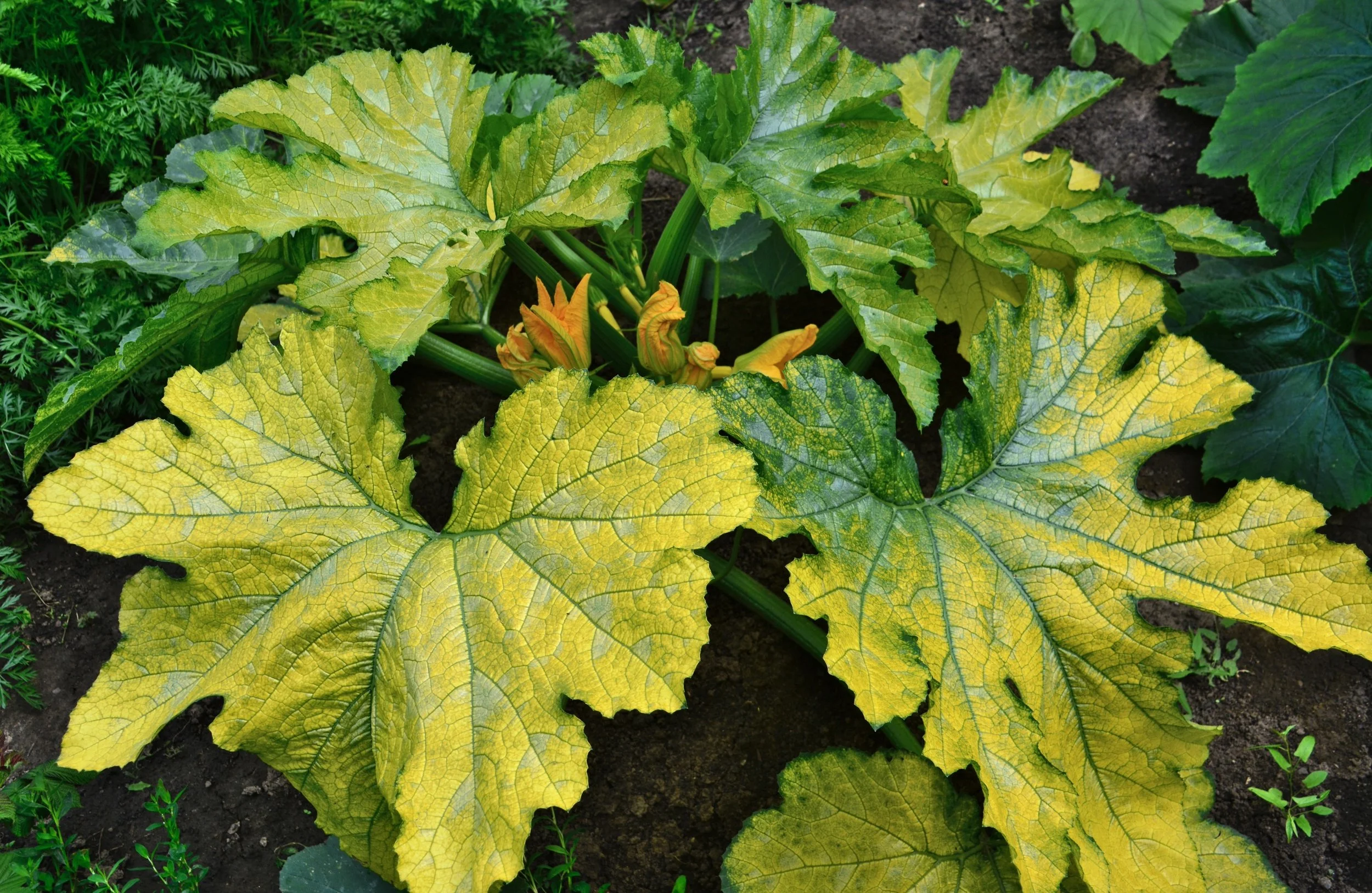
Yellow leaves are one of the most common problems in vegetable gardens. In many cases, yellowing leaves are caused by watering issues, soil conditions, or natural plant growth.
Understanding the cause usually helps you fix the problem quickly.
Natural ageing leaves
Sometimes yellow leaves are normal.
Older leaves near the bottom of a plant often turn yellow as new growth appears.
If the rest of the plant looks healthy, this usually isn’t a problem.
Overwatering
Too much water can cause roots to struggle, which leads to yellow leaves.
Signs of overwatering include:
soft yellow leaves
slow growth
wet soil that doesn’t dry out
Allowing soil to dry slightly between watering usually helps.
You can read more in how often to water a vegetable garden.
Underwatering
Dry soil can also cause leaves to turn yellow.
Plants may struggle to take in nutrients without enough moisture.
Watering regularly during dry weather usually improves leaf colour.
Poor soil nutrients
Vegetables need compost-rich soil to grow well.
Yellow leaves can sometimes mean plants are not getting enough nutrients.
Adding compost or improving soil quality often helps.
You can read more in best soil for vegetable gardening in the UK.
Not enough sunlight
Vegetables usually grow best in sunny locations.
Too much shade can cause slow growth and pale or yellow leaves.
Moving container plants into brighter areas often helps.
Temperature stress
Sudden cold weather or strong heat can affect leaf colour.
Plants often recover once conditions improve.
Keeping vegetable plants healthy
Most yellow leaf problems improve when plants have:
steady watering
compost-rich soil
sunlight
good drainage
Checking plants regularly helps catch problems early.
For beginner guidance, see how to start a vegetable garden.