Why Sweetcorn Doesn’t Grow (and How to Fix It)
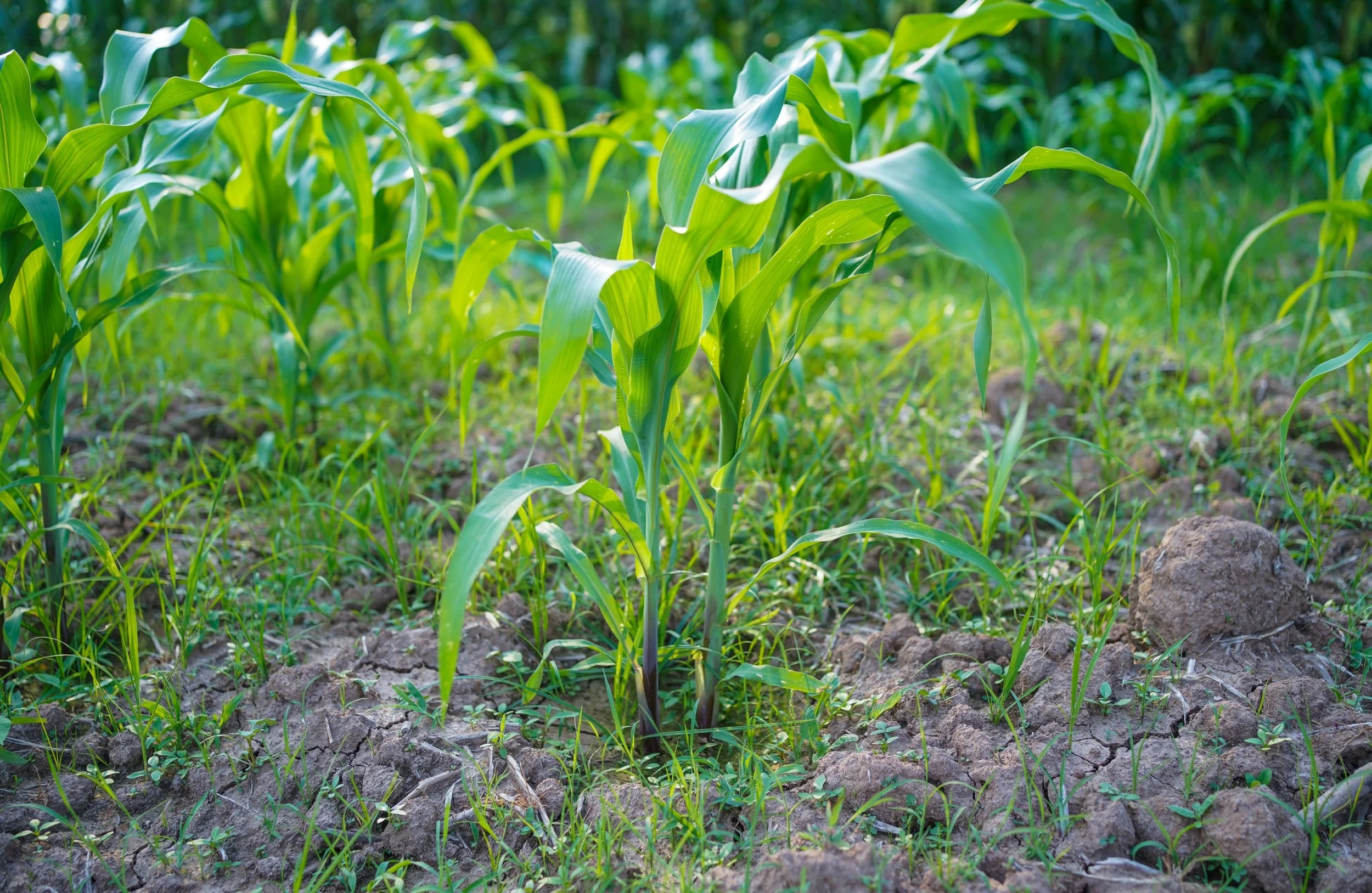
Sweetcorn can grow taller than you by midsummer, so it's disappointing when plants stay short and yellow, or tower over the garden but give you cobs with only a scattering of kernels. Most sweetcorn problems come down to warmth, pollination, water or wildlife, and once you know which one you're dealing with, it's usually easy to put right next time.
Quick answer
Sweetcorn most often struggles because it went out into cold soil too early, was planted in a single row so it didn't pollinate properly, or ran short of water when the cobs were forming. Start seeds indoors in April or May, only move the young plants outside once the frosts are over, and plant them in a square block instead of a single row. Water well from flowering onwards, and protect ripening cobs from birds, squirrels and badgers.
What's going wrong?
Seeds didn't come up: see "Too cold" and "Mice and slugs".
Plants are small, pale or purple-tinged: see "Too cold" and "Hungry soil".
Plants are leaning or blown over: see "Wind rock".
Kernels missing in patches along the cob: see "Poor pollination".
Cobs are small or poorly filled at the tip: see "Dry soil at flowering".
Cobs are chewed or torn open: see "Animals raiding the cobs".
Grey, swollen growths on the cobs: see "Smut".
Cobs didn't ripen before autumn: see "Short summer".
Too cold
Sweetcorn is a tender, warm-weather crop. Seeds sown straight into cold soil often rot, and young plants set out too early turn yellow or purplish and stop growing, sometimes for weeks.
Fix it: sow indoors from mid to late spring, one seed per deep pot or module, at 18–21°C. Move them outdoors when they're 8–15 cm tall and the frosts are over, which in most areas means the end of May or the start of June. Harden them off first. Dates by region are in when to plant sweetcorn in the UK
Root disturbance
Sweetcorn doesn't like its roots being disturbed. Plants left too long in small pots, or moved roughly, can be slow to settle.
Fix it: sow into deep pots or modules and plant them out while they're still young, keeping the root ball intact.
Poor pollination
This is the most common reason for disappointing cobs. The tassels at the top of each plant release pollen, which has to be carried by the wind onto the silks sticking out of each young cob. Every strand of silk leads to one kernel, so any silks that miss out on pollen leave gaps.
In a single long row, much of the pollen blows away without landing on neighbouring plants.
Fix it: plant sweetcorn in a square block of short rows, with plants 34–45 cm apart. Whichever direction the wind comes from, pollen then has a good chance of landing on a neighbouring plant. When the tassels are shedding pollen and the silks have appeared, gently tapping the tops of the plants on a still, dry day can help.
Dry soil at flowering
There are two times when watering matters most: when the tassels first appear at the top, and a few weeks later as the cobs fill out. Dry spells at this stage mean small cobs, often with bare tips.
Fix it: water deeply once the tassels appear, and keep the soil moist while the cobs fill. A thick mulch of garden compost around the plants helps hold moisture in. The full watering routine is in how often to water sweetcorn
Hungry soil
Sweetcorn is a big, fast-growing plant that needs rich soil. In thin, poor ground, plants stay short and cobs are small.
Fix it: before planting, dig in plenty of well-rotted manure or garden compost, and grow sweetcorn in a sunny, sheltered spot. There's more on improving thin ground in our soil guide
Wind rock
Tall sweetcorn plants catch the wind easily. On exposed sites, they can rock, loosening their roots, or blow over.
Fix it: draw soil up around the base of the stems as they grow, which encourages extra roots, and support plants with canes on windy sites. Planting in a block also helps the plants shelter each other.
Side shoots
Sweetcorn often produces extra shoots from the base of the main stem. These are normal and there's no need to remove them.
Mice and slugs
Mice dig up and eat sweetcorn seed sown outdoors, and slugs and snails can damage young plants.
Fix it: raise plants indoors in pots and plant them out at a decent size. Protect young plants from slugs in damp weather. See slugs eating vegetable plants
Animals raiding the cobs
As the cobs ripen, birds, squirrels, rats and badgers may tear them open to get at the sweet kernels. Badgers can flatten a whole block in one night.
Fix it: pick cobs as soon as they're ripe. Where squirrels or badgers are a problem, a sturdy fence or netting cage around the block is the only reliable protection.
Smut
Large, grey swellings on the cobs or stems, which eventually burst to release a mass of black spores, are caused by a fungal disease called smut. It's most common in hot, dry summers.
Fix it: remove affected parts before the swellings burst, and don't compost them. Grow sweetcorn in a different spot next year.
Short summer
In a cool summer, or in northern and exposed gardens, sweetcorn may not have enough warm weather to ripen before autumn.
Fix it: choose early-maturing varieties, start plants indoors so they have a head start, and give them your warmest, sunniest spot.
Sweetcorn in containers
Sweetcorn can grow in large containers, but with only a few plants, pollination is often patchy. Group several pots closely together, water regularly and choose a compact variety. See growing sweetcorn in containers
When your cobs are ready, when to harvest sweetcorn explains the thumbnail test. Everything else, from sowing onwards, is in how to grow sweetcorn in the UK
Common questions
Why are my sweetcorn cobs not full?
Patchy cobs mean some silks never received pollen. Planting in a compact square, several rows deep, gives the wind far more chances to spread it.
Why is my sweetcorn not growing?
The two usual causes are cold and poor soil. Plants set out before the weather has warmed stop growing, and thin soil can't feed such a big plant. Wait until frosts are over, harden plants off first and give them rich soil in a sunny spot.
Why are my sweetcorn leaves turning purple?
Purple-tinged leaves on young plants are usually a sign of cold. They normally recover once the weather warms.
What's eating my sweetcorn cobs?
Ripening cobs attract badgers, squirrels, rats and birds. Pick them promptly, and use netting or fencing where these pests are a problem.
Sowing times, spacing and problems based on RHS guidance.