Why Peas Don’t Grow (and How to Fix It)
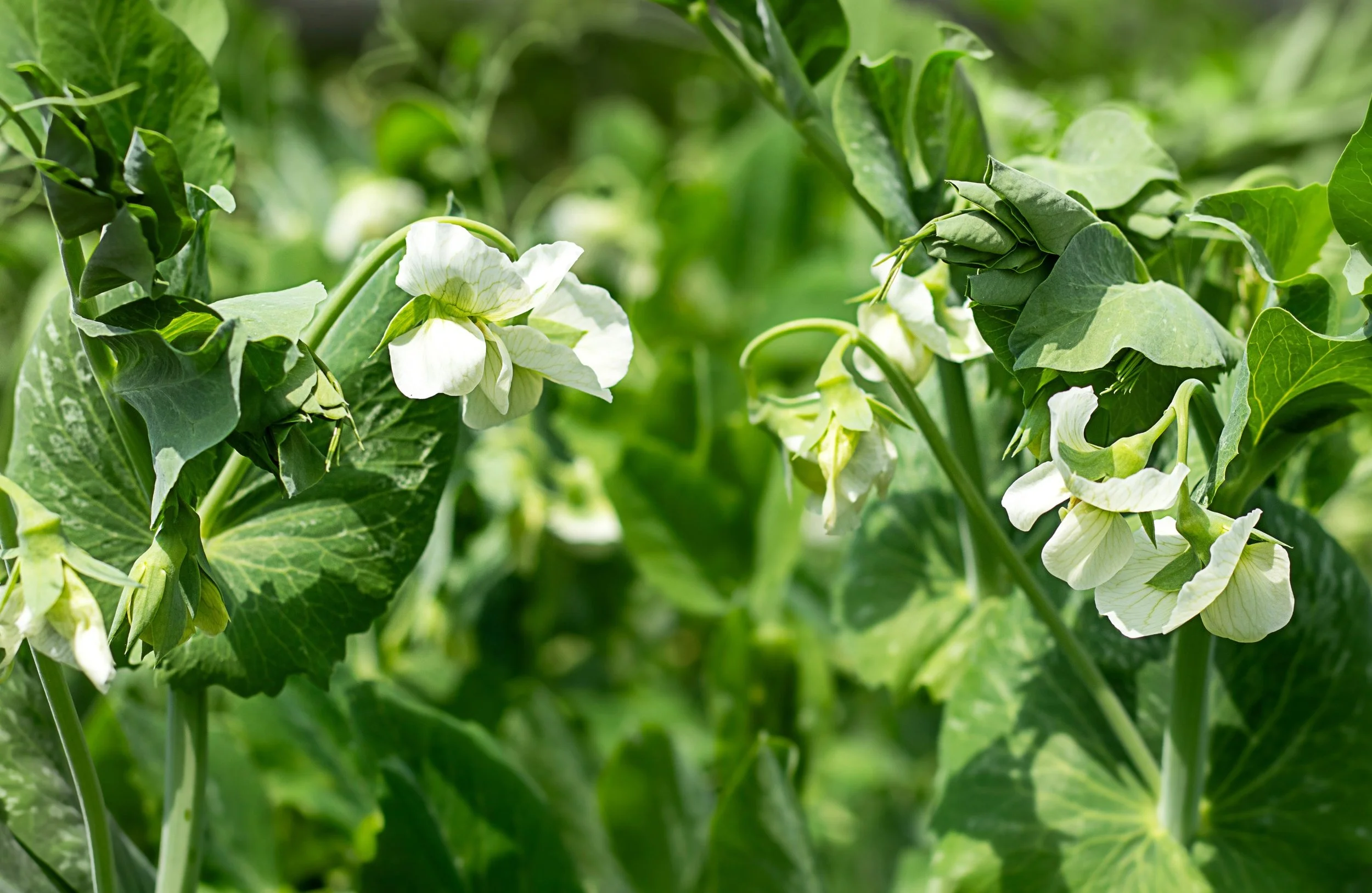
Peas are usually one of the easiest early crops, so it's frustrating when the seeds never appear, the plants stay short and yellow, or they flower but give you only a handful of pods. Most pea problems come down to cold soil, hungry wildlife, dry roots or hot weather, and nearly all of them can be avoided with a few simple changes.
Quick answer
When peas fail, it's usually because cold, wet ground made the seeds rot, mice dug them up, or the soil dried out just as the flowers opened. Hot summer weather and powdery mildew also cut cropping short. Wait to sow until the ground reaches about 10°C, raise plants in modules if mice are a problem, water deeply when the plants flower and pick often.
What's the problem?
Seeds never came up: see "Cold, wet soil" and "Mice".
Seedlings disappeared or were stripped: see "Pigeons, slugs and snails".
Plants are short, pale or slow: see "Cold weather" and "Hungry or waterlogged soil".
Flowering well, but pods are few or thin: see "Dry soil at flowering" and "Hot weather".
Plants stopped producing: see "Not picking often enough".
White powder on the leaves: see "Powdery mildew".
Maggots inside the pods: see "Pea moth".
Notches around the leaf edges: see "Pea and bean weevil".
Stems sprawling across the ground: see "No support".
Cold, wet soil
Pea seed barely grows below about 10°C. If it sits in cold, damp soil for weeks, it softens and rots instead of sprouting.
Fix it: wait until the soil warms before sowing outdoors, usually from March onwards. Covering the ground with fleece or cloches for a week or two first helps. Or start peas indoors in modules or guttering and plant them out later. For the best sowing times, read when to plant peas in the UK
Mice
Mice dig up and eat freshly sown pea seeds, often clearing a whole row overnight. Look for small holes along the row where the seeds should be.
Fix it: sow indoors in pots, modules or lengths of guttering, then plant the young peas out once they're growing strongly. Mice are much less interested in established seedlings.
Pigeons, slugs and snails
Pigeons strip young pea plants, while slugs and snails eat seedlings, especially in damp weather.
Fix it: a netting cage over the row keeps pigeons off until the plants toughen up. For slugs, checking with a torch after rain is the quickest way to find and remove them. See slugs eating seedlings
Cold weather
Although peas like cool conditions, a cold, wet spell can hold young plants back, leaving them pale and slow.
Fix it: be patient. Growth usually picks up as the weather improves. Cover early sowings with fleece during cold snaps.
Hungry or waterlogged soil
Peas need well-drained soil. In waterlogged ground, roots struggle and plants turn yellow. Very poor soil also gives weak plants.
Fix it: grow peas in a sunny spot with free-draining soil improved with garden compost. Peas make some of their own nitrogen, so they don't need rich, heavily fed soil, but they do need good structure and drainage. Our soil guide explains how to improve drainage.
Dry soil at flowering
Peas need the most water when they're flowering and the pods are swelling. If the soil dries out then, flowers drop and pods stay thin.
Fix it: give the plants a thorough soak when the flowers open, and again a couple of weeks later. Mulch the soil to hold moisture in. Watering through the season is covered in how often to water peas
Hot weather
Peas prefer cool, spring temperatures. Once the summer heat arrives, they flower less, the pods are thin and the plants stop cropping early.
Fix it: sow early in spring so most of the crop is picked before midsummer. For later sowings, choose a quick early variety and keep the plants well watered.
Not picking often enough
Every pod left to swell and toughen tells the plant its job is nearly done, so it makes fewer and fewer new flowers.
Fix it: pick every two or three days once the pods are ready, even if you have to freeze some. Picking tips are in when to harvest peas
No support
Most peas are climbers, and without something to cling to, they sprawl on the ground, where they crop poorly and are more prone to slugs and disease.
Fix it: give them something to climb from the start. Hazel twigs pushed in along the row suit dwarf types, while taller varieties need pea netting stretched between sturdy canes.
Powdery mildew
A white, powdery coating on the leaves is common in late summer, especially when plants are dry at the roots. It weakens plants and shortens the harvest.
Fix it: water regularly in dry spells, and space rows well apart so air can move between them. Early sowings often finish cropping before mildew becomes a problem.
Pea moth
If you split a pod and find a small caterpillar among half-eaten peas, it's pea moth. The damage usually isn't spotted until you shell them.
Fix it: peas that flower in early summer are most at risk. Very early or late sowings often avoid the worst of it, and covering plants with fine insect-proof mesh while they're flowering keeps the moths off.
Pea and bean weevil
U-shaped notches around the edges of the leaves are caused by small weevils. It looks bad, but plants that are already growing well rarely suffer much.
Fix it: keep young plants growing strongly with good watering. Protect very young seedlings with fleece if attacks are heavy.
Thrips
Silvery mottling on the leaves and pods is caused by tiny insects called thrips, most often in hot, dry weather.
Fix it: keep plants well watered, and remove badly affected pods.
Peas in containers
Peas in pots dry out quickly, which makes flowers drop and encourages mildew. Choose a dwarf variety, give it twiggy sticks for support and water regularly. See growing peas in containers
The full season is covered in how to grow peas in the UK
If other crops are struggling too, try why vegetables aren't growing
Common questions
Why didn't my peas come up?
Usually because the soil was too cold and wet, so the seeds rotted, or because mice ate them. Sow once the soil has warmed, or start peas indoors and plant them out.
Why are my peas flowering but not producing pods?
Dry soil at flowering time is the most common cause, followed by hot weather. Give the row a good soak as the first flowers open, and again two weeks later.
What's eating my pea plants?
Mice take the seeds, pigeons strip young plants, and slugs eat seedlings. Notched leaf edges are caused by pea and bean weevils.
Why do my peas have maggots in the pods?
They're pea moth caterpillars. Sow very early or late so the plants don't flower in early summer, or cover them with fine mesh while they're in flower.
Pest, disease and watering advice based on RHS guidance.