When to Plant Chillies in the UK
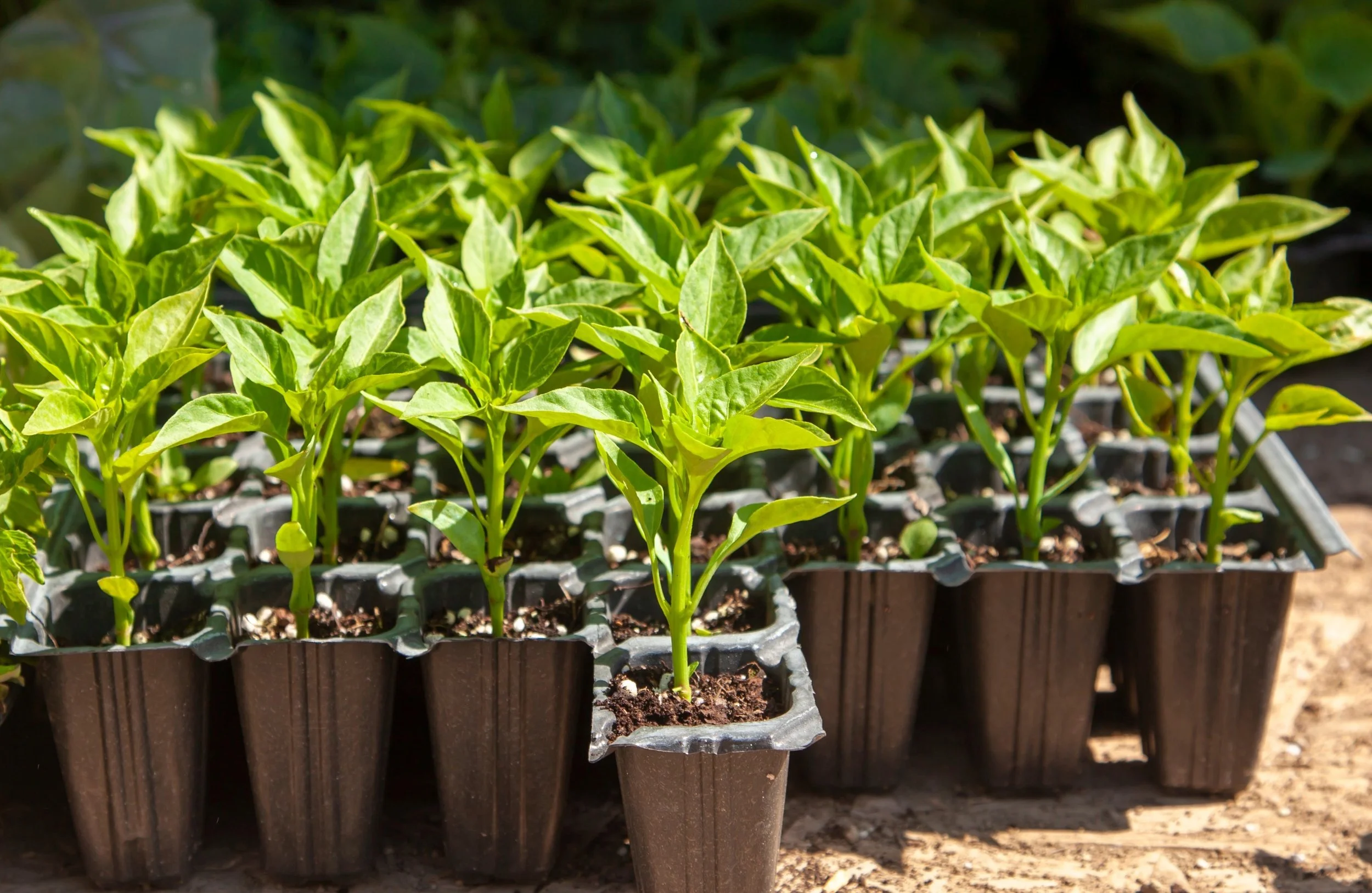
Chillies need a long, warm growing season, far longer than a British summer gives them on its own. That's why they're one of the very first seeds of the year to be sown, often while it's still cold and dark outside. Sow at the right time, keep the seedlings warm and bright, and you'll be picking chillies from midsummer until the first frosts.
Quick answer
Sow chilli seeds indoors from late winter to mid-spring, ideally between January and March. They need a warm spot, around 21°C, to germinate. Grow the seedlings on somewhere bright, then move them to their permanent spot under glass from around May. If you're growing them outside, wait until the nights no longer drop below 12°C, which in most areas is around the start of June. Hot varieties need the longest season, so sow those first.
Chilli planting calendar
January to February: sow the hottest, slowest varieties in a heated propagator.
February to March: the main sowing time for most chillies.
March to April: sow mild, fast-growing varieties. Late sowings still crop, but a little later.
April to May: move young plants into larger pots as they grow.
May: move chillies into an unheated greenhouse or polytunnel as the nights warm up.
Around the start of June: in milder areas, plants that have been hardened off can go outside for the summer.
July to October: harvest.
October: bring pot-grown plants indoors to finish ripening or to keep over winter.
Why chillies need such an early start
Chilli plants grow slowly at first and need several months of warmth before they flower and ripen fruit. A seed sown in March may not produce ripe chillies until late summer, and in a cool year, later sowings can run out of time before autumn.
The hotter the chilli, the longer it usually takes. Very hot types, such as habaneros and scotch bonnets, benefit from the earliest possible start, while milder types such as jalapeños are more forgiving of a later sowing. Check the seed packet for the days to harvest.
Sowing chilli seeds
Fill small pots or modules with peat-free multi-purpose compost and water them.
Sow two or three seeds per pot on the surface and cover them with a thin layer of compost.
Keep them at around 21°C, as chilli seed needs real warmth to sprout. A heated propagator makes this easy. If you don't have one, seal the pots in a clear bag and stand them in the warmest room in the house.
Be patient. Chilli seeds can take one to three weeks to germinate, and hotter varieties are often the slowest.
Once they're up, take off the cover and move the seedlings into bright light at 16–18°C. A sunny windowsill is fine, but turn the pots daily so the seedlings grow straight.
Once the seedlings are 2–3 cm high, move each one into a pot of its own. When roots start to poke out underneath, move them up to a 13 cm pot, as the RHS advises.
The light problem
The biggest challenge with early sowings is light. In January and February, windowsills are dim, and seedlings can quickly become tall, thin and weak as they stretch towards the light. If yours are looking leggy, move them to the brightest window you have, or use a grow light. Sowing a little later, in March, often gives sturdier plants.
For more help, see leggy seedlings
Moving chillies into a greenhouse
A greenhouse, polytunnel or conservatory gives chillies the warmth they need for the best crops. You can move them into an unheated greenhouse once the temperature inside stays above about 12°C overnight, usually some time in May. In a heated greenhouse, they can go in earlier. For the final container, the RHS suggests a 22 cm pot per plant, or three plants sharing a standard grow bag.
Planting chillies outdoors
In the milder parts of the country, chillies can spend the summer outside. Wait until nights stay above 12°C, and spend two or three weeks hardening them off first, putting them out by day and bringing them in at night. Put them in a warm, sheltered corner, where a sunny wall or fence will reflect heat back at them.
Compact varieties are best for growing outside. Keep them in pots so you can move them under cover if the weather turns cold. Container tips are in growing chillies in containers
Is it too late to plant chillies?
Seeds sown in April can still crop, especially quick, mild varieties grown under cover, but they'll be ready later. After that, it's usually easier to buy young plants in late spring. In autumn, it's too late to sow, but you can bring pot-grown plants indoors to keep them through winter. They'll start growing earlier the following spring.
When will chillies be ready?
Chillies grown under cover are usually ready from July, with picking continuing into autumn. Outdoor plants start a little later, often from August. See when to harvest chillies
Once they're planted, how to grow chillies in the UK takes you through feeding, watering and pinching out. For plants that stop growing or drop their flowers, read why chillies don't grow
Sweet peppers follow a similar timetable, covered in when to plant peppers in the UK
Common questions
When should I sow chilli seeds in the UK?
Indoors from January to March for most varieties, with the hottest types sown first. Mild, quick varieties can be sown into April.
What temperature do chilli seeds need to germinate?
Around 21°C. A heated propagator or a warm spot indoors is ideal. Seeds can take up to three weeks to come up.
When can chillies go outside in the UK?
Once night temperatures stay above 12°C, typically around the start of June in milder areas. Harden them off gradually over two to three weeks and give them the warmest spot you have.
Is January too early to sow chillies?
Not for very hot varieties, which need a long season, as long as you can give them warmth and good light. For most chillies, February or March gives sturdier plants.
Temperatures, pot sizes and timings based on RHS guidance.