What to Grow in a Greenhouse (UK Beginner Guide)
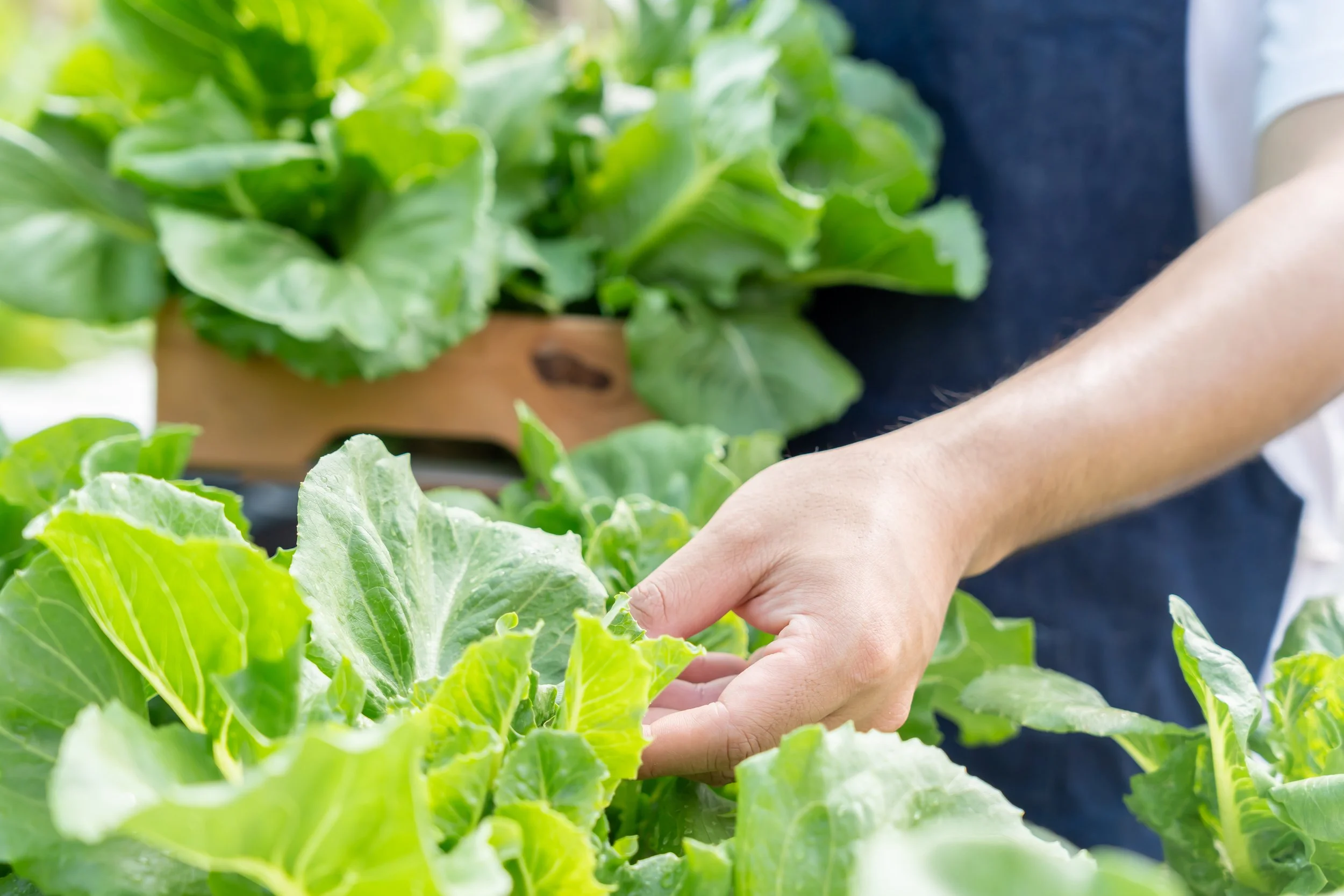
A greenhouse changes what's possible in a British garden. It lets you sow weeks earlier in spring, ripen tomatoes and cucumbers that would struggle outside, and pick salads long after the outdoor beds have gone quiet. To get the most from it, you need to know what to grow each month, so the space is never sitting empty.
This guide takes you through the year, month by month, in an unheated greenhouse. If yours is heated, you can start most sowings a few weeks earlier.
Quick answer
In summer, use the greenhouse for heat-loving crops: tomatoes, cucumbers, peppers, chillies and aubergines. In autumn and winter, fill it with hardy salads such as winter lettuce, lamb's lettuce, rocket and oriental leaves. In late winter and spring, use it to start seeds early, both for summer crops and for hardy vegetables that will be planted outside. Swapping crops with the seasons keeps it productive nearly all year.
Why a greenhouse helps
An earlier start: seeds sown under glass in late winter give you stronger plants to set out in spring.
Heat for summer crops: tomatoes, cucumbers, peppers, chillies and aubergines crop far better under cover in most of the UK.
A longer season: crops keep going into autumn after the cold has finished off outdoor plants.
Winter salads: hardy leaves grow slowly but steadily through the colder months.
January
This is the quietest month. Growth is very slow, so focus on getting ready.
Harvest: winter salads sown in late summer and autumn.
Jobs: clean the glass inside and out to let in as much light as possible. Wash pots and seed trays. Order seeds and check your heater, if you use one.
February
Light levels start to improve, and sowing begins.
Sow: lettuce, spinach and radishes in pots or borders for early leaves. In a heated greenhouse or a propagator, sow chillies and peppers, which need a long season.
Harvest: winter salads.
March
This is a busy sowing month, and the greenhouse becomes a nursery for young plants.
Sow for planting outdoors later: cabbages, Brussels sprouts, early leeks, onions, peas and lettuce. The RHS recommends starting these hardy crops under glass and planting them out later.
Sow for the greenhouse: tomatoes, in a propagator or on a warm windowsill.
Harvest: early salads and radishes.
April
The greenhouse fills up fast. An unheated greenhouse often isn't warm enough for tender crops until around now.
Sow: cucumbers, courgettes, squash, pumpkins, French beans and sweetcorn, to plant outside later or grow on under glass.
Pot on: move tomato, pepper and chilli seedlings into bigger pots as they outgrow them.
Buy: if you didn't sow your own, ready-grown tomato and pepper plants are an easy option for an unheated greenhouse.
May
This is the time to switch from spring crops to summer ones.
Plant: tomatoes, cucumbers, peppers, chillies and aubergines into their final beds, grow bags or large pots in the greenhouse.
Harden off: get seedlings for the garden, such as courgettes, squash and beans, used to outdoor conditions, then plant them out once the frosts are over. Our hardening off guide explains how.
Ventilate: start opening vents on warm days, as temperatures can soar.
June
The greenhouse moves into full production.
Care: tie in tomatoes and remove their side shoots. Check watering daily. Add shading gradually as the sun gets stronger.
Harvest: the first cucumbers, plus early tomatoes in warm years.
Sow: quick salads in any shady corners.
July
This is peak season.
Harvest: tomatoes, cucumbers, peppers and chillies.
Feed: tomatoes, peppers and chillies regularly with a high-potash liquid feed.
Care: open doors and vents every warm day. On hot days, damp down by wetting the floor, which cools the air and raises humidity.
Plan ahead: start a few pots of parsley, French beans and calabrese outdoors now. When the tomatoes come out, these can move in and carry on cropping under glass.
August
It's still busy, and time to think about autumn.
Harvest: heavy crops of tomatoes, cucumbers, peppers and chillies.
Sow: lettuce and salad leaves for autumn and winter picking. The RHS suggests sowing these under glass now to make the most of the autumn light.
Care: keep watering steadily. Uneven watering can lead to problems such as blossom end rot in tomatoes.
September
Summer crops slow down as the days shorten.
Harvest: the last big pickings of tomatoes, peppers and chillies.
Clear: remove cucumber and tomato plants as they stop cropping.
Plant: salad seedlings into the cleared borders or grow bags. Sow rocket, winter purslane and oriental greens such as mustard and pak choi for leaves through the colder months.
October
This is changeover month.
Clear: remove the remaining summer crops. Bring any chillies in pots indoors to keep cropping on a windowsill, or to keep them through winter. See growing chillies in containers
Plant: winter lettuces into beds or grow bags to pick over winter.
Clean: wash down the glass and staging and clear out debris where pests and diseases can survive the winter.
November
Growth slows right down.
Harvest: pick winter salads a few leaves at a time.
Sow: hardy lettuces and pea shoots to pick in spring.
Care: water sparingly, and only in the morning, so the greenhouse isn't damp overnight. Ventilate on mild days to reduce grey mould.
Protect: cover tender plants with fleece on frosty nights.
December
This is a month to rest and plan.
Harvest: winter salads.
Jobs: keep the glass clean for maximum light, check stored crops and plan next year's sowings.
Borders, grow bags or pots?
You can grow directly in the greenhouse's soil borders, or in grow bags and large pots. Borders are simple, but if you grow the same crops in them every year, soil-borne diseases can build up. To avoid this, the RHS advises replacing the border soil with fresh topsoil or good loam every three to five years. Alternatively, grow in pots and grow bags set on a plastic sheet over the soil.
Keeping a greenhouse healthy
Ventilate: open doors and vents on warm days. Greenhouses overheat quickly, even in spring. Automatic vent openers are a great help.
Shade: add shading gradually from late spring, as too much too early slows growth.
Water: check every day in warm weather, as greenhouse crops dry out much faster than those outside.
Watch for pests: red spider mite and whitefly are the most common. Yellow sticky traps give you early warning.
Keep it clean: clean glass lets in more light, especially in winter.
Monitor temperature: a max-min thermometer tells you how hot and cold it's really getting.
The easiest greenhouse crops for beginners
If you're new to greenhouse growing, start with:
Tomatoes: the classic greenhouse crop. See how to grow tomatoes in the UK
Cucumbers: fast and productive. See how to grow cucumbers in the UK
Chillies and peppers: ideal for pots. See how to grow chillies in the UK and how to grow peppers in the UK
Lettuce and salad leaves: for spring, autumn and winter. See how to grow lettuce in the UK
To plan the whole year, outdoors as well as under glass, see vegetables that grow all year round and the vegetable growing calendar
Common questions
What vegetables can you grow in a greenhouse in the UK?
Tomatoes, cucumbers, peppers, chillies and aubergines in summer, and hardy salads such as winter lettuce, lamb's lettuce, rocket and oriental leaves in autumn and winter. A greenhouse is also ideal for starting seeds early.
What can I grow in a greenhouse in winter?
Hardy salads, including winter lettuce varieties, lamb's lettuce, land cress, rocket and oriental leaves, sown in late summer or autumn. They grow slowly but give pickings through the colder months.
When should I plant tomatoes in a greenhouse?
In an unheated greenhouse, plant them into their final position around May. In a heated greenhouse, they can go in earlier.
Do you need to heat a greenhouse?
No. An unheated greenhouse is fine for summer crops, winter salads and starting hardy seeds. Heat lets you start tender crops earlier and protect them in cold spells.
Seasonal crops, timings and care advice based on RHS guidance.